
Best Supplements for Brain Fog After 60
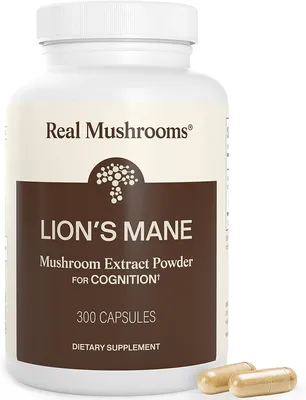
Real Mushrooms Lion's Mane Extract
Best for long-term cognitive support — the highest-quality lion's mane extract available, backed by growing clinical evidence.
- Hot water extracted from fruiting bodies (not mycelium)
- Verified beta-glucan content — no grain fillers
- Contains hericenones that stimulate nerve growth factor
The best supplements for brain fog after 60 depend entirely on what’s causing the fog — and that’s the step most people skip. Vitamin B12 deficiency affects up to 20% of adults over 60 and is one of the most common treatable causes of cognitive sluggishness, poor concentration, and memory lapses. If that’s your issue, a $10 B12 supplement can change everything. For general cognitive support beyond deficiency, omega-3 DHA, lion’s mane mushroom, and phosphatidylserine have the strongest evidence. But brain fog can also be a red flag for thyroid problems, medication side effects, or early cognitive decline — so see your doctor before spending money on supplements.
Rule Out Medical Causes First
This is not just a disclaimer — it’s genuinely the most important advice in this article. Brain fog after 60 has many causes, and several of them require medical treatment rather than supplements.
Get these checked before trying any supplement:
Vitamin B12 deficiency. Your body’s ability to absorb B12 from food declines with age because stomach acid production decreases. Low B12 directly impairs nerve function and neurotransmitter production, causing a foggy, sluggish feeling that closely mimics age-related cognitive decline. A simple blood test reveals the answer. If your B12 is low, supplementation can produce noticeable improvement within 2–4 weeks.
Thyroid dysfunction. Both hypothyroidism (underactive) and hyperthyroidism (overactive) cause cognitive symptoms. Hypothyroidism is particularly common in women over 60 and causes sluggish thinking, forgetfulness, and fatigue that’s easily mistaken for “just getting older.” A TSH blood test takes minutes and can identify the problem.
Medication side effects. This is a massively underappreciated cause of brain fog in older adults. Anticholinergic drugs — including common antihistamines (Benadryl), overactive bladder medications (oxybutynin), certain antidepressants (amitriptyline), and muscle relaxants — are well-documented cognitive offenders. A 2019 study in JAMA Internal Medicine found that long-term anticholinergic use was associated with a significantly increased risk of dementia. Ask your doctor or pharmacist to review your medication list.
Sleep disorders. Poor sleep quality — especially undiagnosed sleep apnea — causes daytime brain fog that no supplement will fix. If you snore loudly, wake up gasping, or feel unrefreshed despite sleeping 7–8 hours, a sleep study may reveal the real problem.
Depression. Cognitive symptoms of depression in older adults often manifest as poor concentration, indecisiveness, and memory complaints rather than sadness. This is sometimes called “pseudodementia” because the cognitive symptoms mimic dementia but are fully reversible with proper treatment.
Dehydration. Older adults are more prone to chronic mild dehydration because thirst perception diminishes with age. Even 1–2% dehydration can impair attention and working memory. Before buying supplements, make sure you’re drinking enough water.
Supplements With Real Evidence
Once medical causes have been addressed or ruled out, these supplements have the strongest research support for cognitive function in older adults.
Vitamin B12 (If Deficient)
B12 isn’t a cognitive enhancer for everyone — but for the significant percentage of older adults who are deficient, it’s transformative. B12 is essential for myelin production (the insulating sheath around nerve fibers) and for synthesizing neurotransmitters like serotonin and dopamine.
The challenge after 60 is absorption. Your stomach produces less acid and less intrinsic factor — both of which are needed to extract B12 from food. This is why blood levels can drop even if your diet includes plenty of meat, fish, and dairy.
What to do: Ask your doctor for a serum B12 test (and ideally methylmalonic acid, which is a more sensitive marker). If your level is below 400 pg/mL, supplementation is reasonable. Jarrow Methyl B-12 provides 1000mcg of methylcobalamin — the active, bioavailable form — as a sublingual tablet that dissolves under your tongue for direct absorption, bypassing the stomach acid problem entirely.
Omega-3 DHA
DHA (docosahexaenoic acid) makes up roughly 40% of the polyunsaturated fatty acids in your brain. It’s critical for maintaining cell membrane fluidity, synaptic function, and neuroplasticity — your brain’s ability to form new connections.
A 2022 meta-analysis in the American Journal of Clinical Nutrition found that omega-3 supplementation was associated with improvements in episodic memory in adults with mild cognitive complaints. The benefits were most pronounced in people who were not already consuming adequate omega-3s from diet.
Dose: Most studies showing cognitive benefits used 1,000–2,000mg of combined EPA/DHA daily, with at least 500mg as DHA. Look for a high-DHA fish oil or algal oil supplement. For our top picks, see the best omega-3 supplements for seniors.
Lion’s Mane Mushroom
Lion’s mane is one of the more genuinely exciting developments in cognitive supplement research. Unlike most brain supplements that provide nutrients, lion’s mane contains unique compounds called hericenones that stimulate your brain to produce more nerve growth factor (NGF) — a protein essential for maintaining and growing neurons.
A 2009 Japanese clinical trial found significant cognitive improvement in adults aged 50–80 with mild cognitive impairment after 16 weeks of supplementation. A 2023 University of Queensland study confirmed memory and processing speed improvements in healthy adults.
The catch: quality varies enormously. Many “lion’s mane” products use mycelium grown on grain, resulting in a product that’s mostly starch with minimal active compounds. Real Mushrooms Lion’s Mane uses hot-water extracted fruiting bodies with verified beta-glucan content — the form used in clinical research. Expect to wait 4–8 weeks for noticeable effects.
For a deep dive, see our full review: Lion’s Mane Mushroom: Does It Really Help Memory?
Phosphatidylserine (PS)
Phosphatidylserine is a phospholipid concentrated in brain cell membranes, where it plays a role in cell signaling and neurotransmitter release. PS levels in the brain decline with age, and supplementation has been studied for age-related cognitive decline since the 1990s.
The FDA allows a qualified health claim for PS and cognitive function — one of very few supplements to receive this distinction. A meta-analysis in the Journal of Clinical Biochemistry and Nutrition found that PS supplementation (100–300mg daily) improved memory, attention, and processing speed in older adults with cognitive complaints.
Important nuance: The strongest evidence is in people who already have measurable cognitive decline — not healthy adults looking for a mental boost. If you’re experiencing noticeable changes in memory or concentration (beyond occasional forgetfulness), PS may be particularly relevant. Jarrow Formulas PS 100 provides 100mg per softgel of sunflower-derived PS at the research-backed dose.
Supplements That Are Overhyped
Not everything marketed for brain fog deserves your money. Two popular options in particular don’t hold up under scrutiny.
Ginkgo Biloba
Ginkgo is one of the most widely sold brain supplements worldwide, but the evidence is disappointing. The largest and most rigorous trial — the Ginkgo Evaluation of Memory (GEM) study funded by the NIH — followed over 3,000 adults aged 75+ for 6 years and found no benefit for preventing cognitive decline or dementia. Smaller studies have shown mixed results, with some suggesting modest improvements in people who already have dementia, but the overall evidence does not support ginkgo for brain fog prevention in healthy older adults.
Ginkgo also interacts with blood thinners, aspirin, and several other medications commonly used by seniors — adding risk without clear benefit.
Prevagen
Prevagen (apoaequorin) is heavily marketed on television to older adults, but the evidence doesn’t support the advertising. The FTC filed a lawsuit against Prevagen’s manufacturer in 2017 for deceptive advertising, noting that the company’s own clinical trial failed to show statistically significant improvement in the overall study population. The company’s positive claims came from cherry-picked subgroup analyses — a practice that is not considered reliable evidence.
Beyond the lawsuit, apoaequorin is a protein. Like all dietary proteins, it gets digested in your stomach into amino acids. There is no plausible mechanism by which intact apoaequorin reaches the brain. Independent neurologists have been broadly skeptical.
Your money is better spent elsewhere.
Lifestyle Factors That Clear Brain Fog
Supplements are tools, not magic. These lifestyle factors have stronger evidence for cognitive function than any supplement on the market.
Exercise. Physical activity is the single most evidence-backed intervention for brain health. A 2020 meta-analysis in the British Journal of Sports Medicine found that aerobic exercise improved attention, processing speed, and executive function in adults over 60. Even 30 minutes of brisk walking most days makes a measurable difference. For ideas, see our guide to exercises for seniors at home.
Sleep quality. Your brain clears metabolic waste products through the glymphatic system during deep sleep. Chronic poor sleep allows these waste products to accumulate, directly contributing to brain fog. If you struggle with sleep, start with our guide on natural sleep aids and melatonin safety.
Social engagement. Isolation and loneliness are associated with accelerated cognitive decline. Regular social interaction — conversations, group activities, volunteering — provides cognitive stimulation that supplements cannot replicate.
Hydration. Drink before you’re thirsty. By the time you feel thirst, you’re already mildly dehydrated — and after 60, your thirst signals may be blunted. Aim for 6–8 glasses of water daily, more in hot weather or if you take diuretics.
When Brain Fog Needs a Doctor, Not a Supplement
Brain fog exists on a spectrum, and knowing when it crosses from normal aging into something that needs medical attention is important.
Normal aging: Occasionally forgetting a name, walking into a room and forgetting why, needing more time to learn new things, sometimes struggling to find the right word in conversation.
See your doctor: Forgetting recent conversations entirely, getting lost in familiar places, difficulty managing finances or medications, personality changes noticed by family, progressive worsening over weeks or months, brain fog that started after a new medication.
The difference is functional impact. If cognitive changes are affecting your ability to manage daily life — not just annoying you — that warrants medical evaluation. Your doctor can screen for treatable causes and determine whether neurological testing is appropriate. Early detection of conditions like mild cognitive impairment allows for interventions that may slow progression.
The Bottom Line
Brain fog after 60 is common, but it’s not something you should just accept or throw random supplements at. Start with your doctor — a B12 test, thyroid panel, and medication review can identify treatable causes that no supplement will fix.
If medical causes are addressed and you want additional cognitive support, the evidence favors B12 supplementation (if deficient), omega-3 DHA, lion’s mane mushroom (for NGF stimulation), and phosphatidylserine (for age-related cognitive decline). Skip ginkgo and Prevagen — the marketing outpaces the science.
And don’t underestimate exercise, sleep, social engagement, and hydration. These lifestyle factors have stronger evidence for brain health than any pill. For more on cognitive health, see our full guide to the best supplements for memory and focus and our deep dive on lion’s mane and memory.
Always consult your doctor before starting any new supplement.
Products We Recommend
- Hot water extracted from fruiting bodies (not mycelium)
- Verified beta-glucan content — no grain fillers
- Contains hericenones that stimulate nerve growth factor
- Preliminary human evidence for cognition — more research needed
- Earthy taste if using powder form
- Effects take 4–8 weeks to notice
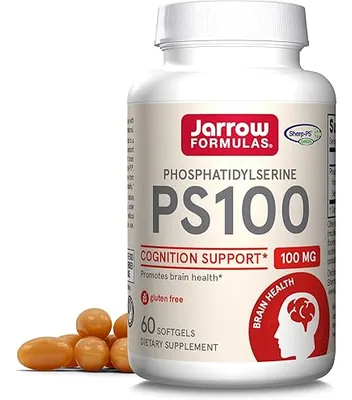
- 100mg phosphatidylserine per softgel — research-backed dose
- Soy-free (sunflower-derived)
- Well-studied for age-related cognitive decline
- Limited evidence in healthy adults without cognitive decline
- Benefits primarily shown in those with existing cognitive issues
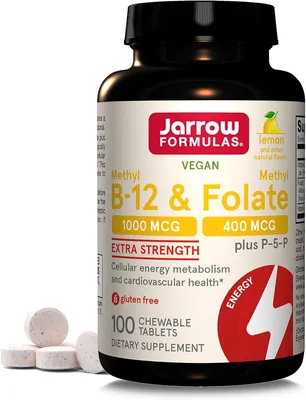
- Methylcobalamin form — the active, bioavailable form of B12
- 1000mcg sublingual for direct absorption
- Cherry flavor, dissolves under tongue
- Very affordable
- Only addresses brain fog IF B12-deficient — get tested first
Frequently Asked Questions
Can vitamin B12 deficiency cause brain fog?
Yes — B12 deficiency is one of the most common treatable causes of brain fog in adults over 60. B12 is essential for nerve function and neurotransmitter production. Deficiency causes difficulty concentrating, memory lapses, mental sluggishness, and fatigue that closely mimic 'brain fog.' Up to 20% of adults over 60 have low B12 levels, often due to reduced stomach acid that impairs absorption. A simple blood test can check your B12 and folate levels. If deficient, supplementation often produces noticeable improvement within weeks.
Does lion's mane mushroom help with brain fog?
Preliminary evidence is promising. A 2009 Japanese trial found that adults aged 50–80 with mild cognitive impairment showed significant improvement in cognitive function after 16 weeks of lion's mane supplementation. A 2023 University of Queensland study confirmed memory and processing speed improvements in healthy adults. Lion's mane contains unique compounds (hericenones) that stimulate nerve growth factor production in the brain. However, the evidence base is still smaller than for B12 or omega-3s, and effects typically take 4–8 weeks to notice.
Is Prevagen good for brain fog?
The evidence does not support Prevagen's marketing claims. The FTC filed a lawsuit against Prevagen's manufacturer in 2017 for deceptive advertising, stating that the company's own clinical trial failed to show any improvement in the overall study population. The single ingredient — apoaequorin, a jellyfish protein — has no plausible mechanism for crossing the blood-brain barrier, and independent neurologists have been broadly skeptical. Your money is better spent on supplements with stronger evidence like B12, omega-3s, or lion's mane.
What medications cause brain fog in older adults?
Many common medications can cause or worsen brain fog. Anticholinergic drugs are the biggest culprits — these include some antihistamines (Benadryl), overactive bladder medications (oxybutynin), certain antidepressants (amitriptyline), and some muscle relaxants. Benzodiazepines (lorazepam, diazepam), opioids, some blood pressure medications, and statins can also affect cognition. Never stop a medication on your own — talk to your doctor if you suspect a medication is causing brain fog, as they may be able to adjust your dose or switch to an alternative.
When should I see a doctor about brain fog?
See your doctor if brain fog is persistent (lasting more than a few weeks), worsening over time, interfering with daily tasks like managing finances or following conversations, accompanied by personality changes or getting lost in familiar places, or if it started after beginning a new medication. While occasional mental fuzziness is normal with aging, progressive cognitive decline needs medical evaluation. Your doctor can check for treatable causes like B12 deficiency, thyroid disorders, sleep apnea, depression, and medication side effects before considering neurological testing.