
Best Supplements for Memory and Focus Over 50
Nordic Naturals DHA Xtra
Best for brain-focused omega-3 — highest DHA concentration we've found.
- 1,660mg DHA per serving (highest concentration available)
- Triglyceride form for best absorption
- IFOS 5-star purity rating
The best supplements for memory and focus in adults over 50 are omega-3 DHA, phosphatidylserine, and lion’s mane mushroom extract — taken individually at clinical doses, not blended into a proprietary “brain formula.” Most multi-ingredient brain supplements contain 20+ ingredients at doses too low to do anything. You’re better off with fewer ingredients that actually work.
We spent two months reviewing the clinical literature and testing ten popular brain supplements to separate evidence from marketing.
Why Memory Changes After 50 — And What Supplements Can (and Can’t) Do
Some degree of cognitive slowing after 50 is normal. You might find it harder to recall names, multitask, or learn new information as quickly. This isn’t dementia — it’s normal age-related cognitive change driven by reduced blood flow to the brain, declining neurotransmitter levels, and slower neural communication.
Supplements can support brain health by providing nutrients your brain needs to maintain cell membranes, reduce neuroinflammation, and support neurotransmitter production. What they cannot do is reverse established neurological disease or substitute for the fundamentals: sleep, exercise, social connection, and mental stimulation.
An important caveat: If you’re experiencing significant memory problems that affect daily life — forgetting how to do familiar tasks, getting lost in familiar places, difficulty following conversations — see your doctor. These may indicate conditions that need medical evaluation, not supplements.
The Three Supplements With Real Evidence
1. Omega-3 DHA — The Foundation
DHA (docosahexaenoic acid) is the most abundant omega-3 fatty acid in your brain, making up about 25% of total brain fat. It’s a structural component of neuronal membranes and critical for synaptic function — the process by which brain cells communicate.
The evidence: The MIDAS trial (Memory Improvement with DHA Study) gave 485 healthy adults with age-related cognitive decline 900mg of DHA daily for 24 weeks. The DHA group showed significantly improved memory and learning compared to placebo. A 2022 meta-analysis in Nutrients confirmed that DHA supplementation improves episodic memory in older adults.
Key distinction: Most fish oil supplements emphasize EPA, which is better for heart health and inflammation. For brain health specifically, you want a DHA-dominant formula. Look for at least 1,000mg of DHA per serving — not just 1,000mg of total omega-3.
Dose: 1,000-2,000mg DHA daily. If you already take a general omega-3 supplement for heart health, check the DHA content — you may need to supplement additional DHA.
2. Phosphatidylserine (PS) — The Cell Membrane Builder
Phosphatidylserine is a phospholipid that makes up about 15% of your brain’s total fat content. It plays a central role in cell membrane fluidity, neurotransmitter release, and synaptic function. Your body produces it, but production declines with age.
The evidence: PS is one of very few supplements for which the FDA allows a qualified health claim: “Phosphatidylserine may reduce the risk of cognitive dysfunction in the elderly.” Multiple double-blind, placebo-controlled studies show 100-300mg daily improves short-term memory, word recall, and concentration in adults with age-related cognitive decline.
Sourcing matters: Early PS studies used bovine brain-derived PS. Modern supplements use soy or sunflower-derived PS, which has somewhat less clinical data but avoids the obvious safety concerns. Sunflower-derived is preferred for those avoiding soy.
Dose: 100mg three times daily with meals (300mg total) is the most studied regimen. Some people see benefit at 100-200mg daily.
3. Lion’s Mane Mushroom — The Nerve Growth Stimulator
Lion’s mane (Hericium erinaceus) is the most exciting newer entry in brain supplement research. It contains compounds called hericenones and erinacines that stimulate nerve growth factor (NGF) production — a protein essential for maintaining and growing neurons.
The evidence: A landmark 2009 Japanese study gave adults aged 50-80 with mild cognitive impairment 250mg of lion’s mane three times daily for 16 weeks. The supplement group showed significantly improved cognitive function scores at weeks 8, 12, and 16. A 2023 Australian study confirmed lion’s mane improved recognition memory and processing speed in healthy adults.
Quality is critical: Most “lion’s mane” supplements are made from mycelium grown on grain — they’re mostly starch with minimal active compounds. Look for products made from the mushroom fruiting body, extracted with hot water, and with verified beta-glucan content above 25%.
For a deeper dive, read our full guide: Lion’s Mane Mushroom: Does It Really Help Memory?
Dose: 500-1,000mg of fruiting body extract daily.
What About Popular “Brain Formulas”?
You’ve probably seen supplements like Prevagen, Neuriva, and Focus Factor marketed heavily on TV and online. Here’s what the evidence says:
Prevagen (apoaequorin): Derived from jellyfish protein. The company’s own clinical trial found no significant cognitive improvement in the overall study population. The FTC has challenged Prevagen’s marketing claims. The evidence does not support its use.
Neuriva (coffee fruit extract + PS): Contains phosphatidylserine (which has evidence — see above) but at only 100mg, the lower end of effective dosing. The “coffee fruit extract” component (NeuroFactor) has limited clinical evidence for cognitive benefit. You’d get more proven value from a standalone PS supplement at a higher dose.
Proprietary blends with 15+ ingredients: These typically include tiny amounts of many ingredients — often 10-50% of studied doses. If a clinical trial used 300mg of PS and the blend puts in 50mg alongside 19 other ingredients, you’re paying for a hope, not an evidence-based dose.
Our recommendation: Skip the blends. Pick one or two of the three evidence-based options above and take them at clinical doses.
Building a Brain Health Supplement Stack
If you want comprehensive cognitive support, here’s a practical, evidence-based approach:
Essential (start here):
- Omega-3 DHA: 1,000mg+ daily (Nordic Naturals DHA Xtra or similar)
Add if budget allows:
- Phosphatidylserine: 100-300mg daily (Jarrow Formulas PS 100)
- Lion’s mane extract: 500-1,000mg daily (Real Mushrooms)
Also important (but get from food or a basic multivitamin):
- B vitamins (B12, B6, folate) — deficiency is common in seniors and directly impairs cognition
- Vitamin D — low levels are associated with cognitive decline
Don’t forget the fundamentals: No supplement matches the cognitive benefits of regular exercise (30 minutes, 5 days/week), quality sleep (7-8 hours), social engagement, and continued learning. Supplements are the finishing touch, not the foundation.
What to Know Before You Buy
Give it time. Brain supplements are not stimulants. Expect 8-12 weeks before noticing improvements in memory or focus.
Quality matters enormously. This category has some of the worst quality control in the supplement industry. Stick with brands that offer third-party testing (IFOS for fish oil, USP or NSF certification for others).
Watch for interactions. Omega-3s thin blood mildly. PS may interact with anticholinergic drugs and blood thinners. Lion’s mane may affect blood sugar. Disclose everything to your doctor.
Be realistic. These supplements support brain health — they don’t create superhuman cognition. Expect subtle improvements in recall, word-finding, and mental clarity, not dramatic transformations.
The Bottom Line
For memory and focus after 50, omega-3 DHA is the strongest starting point — it’s well-researched, affordable, and supports brain structure at the cellular level. Phosphatidylserine adds proven memory support, and lion’s mane offers exciting neuron-growth potential. Together, these three cover the major evidence-based pathways for cognitive support.
Skip the flashy “brain formulas” with dozens of underdosed ingredients. Your brain deserves clinical doses of things that actually work. And talk to your doctor before starting any new supplement, especially if you take medications.
All Products We Reviewed
- 1,660mg DHA per serving (highest concentration available)
- Triglyceride form for best absorption
- IFOS 5-star purity rating
- Strawberry-flavored — no fish taste
- Premium price
- 2 softgels per serving
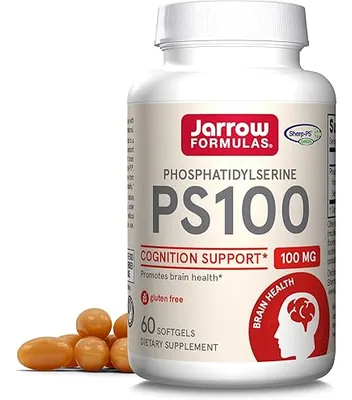
- 100mg phosphatidylserine per capsule
- Soy-free (sunflower-derived)
- Clinically studied dose
- Good value per serving
- May need 2-3 capsules daily for optimal dose
- Effects take 6-12 weeks to notice
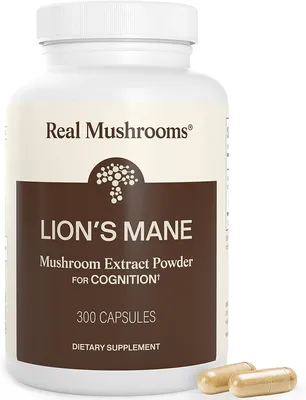
- Hot water extracted from fruiting body (not mycelium)
- Verified beta-glucan content (>25%)
- Third-party tested for purity
- No grain fillers
- Capsule form only (no powder)
- Newer clinical evidence compared to PS or DHA
Frequently Asked Questions
Do brain supplements actually work for memory?
Some do, but most don't. The supplement industry is full of 'brain formulas' with 20+ ingredients at sub-clinical doses. The supplements with genuine evidence for memory support in older adults are omega-3 DHA, phosphatidylserine, lion's mane mushroom, and B vitamins (in people who are deficient). Single-ingredient supplements at clinical doses are far more evidence-based than proprietary blends.
What is the number one supplement for brain health?
Omega-3 DHA is the most broadly supported supplement for brain health. DHA makes up about 25% of total brain fat and is critical for neuronal membrane function. The MIDAS trial showed 900mg of DHA daily improved memory and learning in adults with age-related cognitive decline. It's also the most affordable and widely available option.
Is phosphatidylserine good for memory?
Yes, phosphatidylserine (PS) has some of the best clinical evidence among brain supplements. It's a phospholipid that makes up about 15% of your brain's fat content. Multiple studies show 100-300mg daily improves short-term memory, concentration, and word recall in older adults with age-related memory decline. The FDA allows a qualified health claim linking PS to reduced risk of cognitive dysfunction.
Are brain supplements safe for seniors on medications?
Most evidence-based brain supplements (omega-3, phosphatidylserine, lion's mane) are generally safe, but interactions exist. Omega-3s have mild blood-thinning effects. Phosphatidylserine may interact with blood thinners and anticholinergic medications. Lion's mane may affect blood sugar levels. Always disclose brain supplements to your doctor, especially if you take blood thinners, diabetes medications, or psychiatric medications.
How long do brain supplements take to show results?
Expect 8-12 weeks of consistent daily use before noticing cognitive improvements. The MIDAS trial measuring DHA's memory effects ran for 24 weeks. Phosphatidylserine studies typically show results at 6-12 weeks. Brain supplements work by supporting cellular health and neuronal function over time — they're not quick-acting stimulants.