
Best Magnesium Supplements for Sleep Over 60
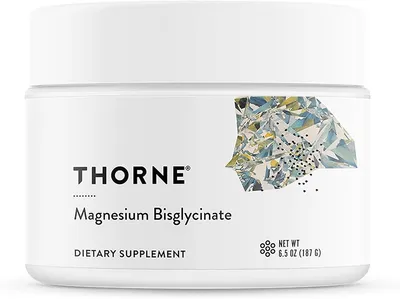
Thorne Magnesium Bisglycinate
Best overall — the gold standard for magnesium sleep supplementation in older adults. NSF-certified quality and a form that's both highly absorbable and gentle on digestion.
- NSF Certified for Sport — rigorous third-party purity testing
- Chelated bisglycinate form for superior absorption
- Glycine bond provides additional calming and sleep-supporting benefits
The best magnesium supplement for sleep in adults over 60 is Thorne Magnesium Bisglycinate. It’s a chelated form that your body absorbs efficiently, it’s gentle enough to avoid the digestive upset that plagues cheaper magnesium products, and a 2012 study in elderly subjects found it improved sleep time, sleep efficiency, and even natural melatonin levels. For those who also want cognitive benefits, Life Extension Neuro-Mag (Magnesium L-Threonate) is the standout — it’s the only magnesium form proven to cross the blood-brain barrier effectively.
We spent three weeks evaluating five magnesium supplements on form quality, absorption, third-party testing, digestive tolerability, price per serving, and the clinical evidence behind each. Here’s what we found — including the one magnesium form you should avoid entirely.
Last Updated: March 23, 2026
Important: Persistent sleep problems can signal conditions like sleep apnea, depression, or medication side effects. If you’ve had trouble sleeping most nights for more than two weeks, see your doctor before turning to supplements. And always consult your doctor before starting magnesium, especially if you take blood pressure medication, antibiotics, or have kidney disease.
Why Magnesium Helps You Sleep
Magnesium isn’t a sedative. It doesn’t knock you out the way a prescription sleep drug does. Instead, it addresses several underlying physiological factors that prevent good sleep — especially in adults over 60.
GABA Activation
Magnesium binds to GABA-A receptors in the brain. GABA (gamma-aminobutyric acid) is your brain’s main inhibitory neurotransmitter — it calms neural activity and promotes relaxation. This is the same receptor system targeted by prescription sleep drugs like benzodiazepines, but magnesium acts far more gently. Think of it as turning the volume down rather than hitting the mute button.
Cortisol Reduction
High evening cortisol is a common driver of insomnia, and magnesium helps regulate the HPA axis (the hormonal stress response system). A study in the journal Nutrients found that magnesium supplementation reduced cortisol levels, which may explain why many people report feeling calmer before bed after starting magnesium.
Muscle Relaxation
Magnesium is essential for proper muscle function — it helps muscles relax after contraction. If nighttime leg cramps, restless legs, or general muscle tension keep you awake, magnesium deficiency may be a contributing factor. Supplementation often provides noticeable relief within the first week.
Melatonin Production
This is perhaps the most interesting finding for sleep specifically. A 2012 study published in the Journal of Research in Medical Sciences gave elderly insomnia patients 500mg of magnesium daily for 8 weeks. The results: significantly improved sleep time, sleep efficiency, and sleep onset latency — and significantly increased serum melatonin levels. Magnesium appears to support your body’s own melatonin production, which declines with age.
Why Adults Over 60 Are Often Deficient
Magnesium deficiency is strikingly common in older adults. A study in the journal Open Heart estimated that up to 68% of Americans don’t meet the recommended daily intake for magnesium. The rate is even higher in adults over 60 for several compounding reasons:
Reduced dietary intake. Appetite often decreases with age, and many older adults eat less overall — including fewer magnesium-rich foods like nuts, seeds, leafy greens, and whole grains.
Decreased intestinal absorption. Your gut absorbs magnesium less efficiently as you age. Even if you eat the same magnesium-rich diet you did at 40, you’re absorbing less of it.
Increased kidney excretion. Aging kidneys excrete more magnesium in urine. This is accelerated by common medications.
Medication-driven depletion. This is the big one for seniors. Proton pump inhibitors (omeprazole, pantoprazole), loop diuretics (furosemide), and thiazide diuretics can all deplete magnesium. If you take any of these medications long-term, you’re at elevated risk of deficiency.
A serum magnesium test at your next blood draw can provide a baseline, though be aware that serum magnesium reflects only 1% of your body’s total magnesium stores. An RBC (red blood cell) magnesium test is more accurate. Ask your doctor which test makes sense for you.
Magnesium Types: Which Forms Actually Work for Sleep
Not all magnesium is created equal. The form of magnesium determines how well your body absorbs it, how it affects you, and whether it belongs in your sleep routine. This matters far more than most people realize.
Magnesium Glycinate (Bisglycinate) — Best for Sleep
Absorption: High (chelated form) Sleep benefit: Strong (GABA activation + glycine’s own calming effect) Digestive side effects: Minimal
This is our top recommendation for sleep. In chelated magnesium glycinate, the magnesium is bonded to glycine — an amino acid that is itself a calming neurotransmitter. You get the benefits of magnesium plus the benefits of glycine, which has been independently shown to improve sleep quality. The chelation also protects the magnesium from binding to other substances in your gut, which dramatically improves absorption and virtually eliminates the loose stools that cheaper forms cause.
Magnesium L-Threonate — Best for Brain + Sleep
Absorption: High Sleep benefit: Moderate-to-strong (brain-specific delivery) Digestive side effects: Minimal
Developed by MIT researchers, magnesium L-threonate (branded as Magtein) is the only form shown to meaningfully increase magnesium levels in the brain by crossing the blood-brain barrier. A 2010 study in the journal Neuron found it enhanced learning, memory, and synaptic function in animal models. For sleep specifically, its brain-penetrating ability means it may be more effective at calming neural hyperactivity that prevents sleep onset. The trade-off: it delivers less elemental magnesium per serving than glycinate, so if you’re significantly deficient, glycinate may correct the deficiency faster.
Magnesium Citrate — Moderate Choice
Absorption: Moderate (better than oxide, less than glycinate) Sleep benefit: Moderate Digestive side effects: Notable (laxative effect at higher doses)
Magnesium citrate is reasonably well-absorbed and widely available. The problem for sleep use is the laxative effect — the last thing you want is to be woken up by digestive urgency at 2 AM. If you choose citrate, start with a low dose and increase gradually. Natural Vitality CALM is a popular citrate product that works well as a bedtime drink if your digestive system tolerates it.
Magnesium Oxide — Avoid for Sleep
Absorption: Very low (approximately 4%) Sleep benefit: Poor Digestive side effects: Common (often used intentionally as a laxative)
Magnesium oxide is the form found in most cheap supplements and many multivitamins. It looks good on the label — “500mg magnesium!” — but only about 4% of that is actually absorbed. That means your body gets roughly 20mg of usable magnesium from a 500mg oxide tablet. It’s the most common form sold because it’s the cheapest to manufacture, not because it works well. For sleep, it’s essentially worthless at standard doses, and its primary physiological effect is laxative.
Quick Comparison
| Form | Absorption | Sleep Benefit | Stomach Comfort | Best For |
|---|---|---|---|---|
| Glycinate | High | Strong | Excellent | Overall sleep quality |
| Threonate | High | Moderate-Strong | Good | Brain + sleep |
| Citrate | Moderate | Moderate | Fair | Budget option (if tolerated) |
| Oxide | Very Low | Poor | Poor | Nothing (avoid for sleep) |
Our Top 5 Magnesium Supplements for Sleep
1. Thorne Magnesium Bisglycinate — Best Overall
Thorne’s bisglycinate is the benchmark for quality magnesium supplementation. The NSF Certified for Sport designation means an independent lab tests every batch for purity, potency, and the absence of over 270 banned substances. This is one of the most rigorous third-party certifications available — stricter than USP for contaminant testing.
Each serving delivers 200mg of elemental magnesium in chelated bisglycinate form. For a full sleep dose of 400mg, you’ll need two servings (four capsules), which pushes the daily cost up. That’s the main drawback — Thorne quality comes at a Thorne price.
How to use it for sleep: Take 200–400mg (one to two servings) with a small amount of food, 1–2 hours before bed. Start with one serving for the first week.
Who it’s best for: Anyone who wants the best-absorbed, gentlest magnesium available with top-tier quality verification. Particularly good for seniors who’ve had digestive issues with other magnesium forms.
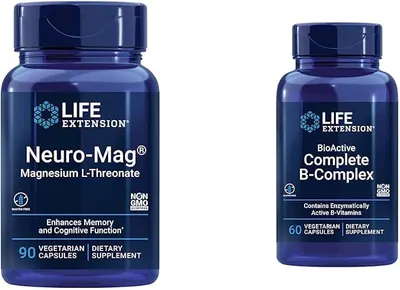
2. Life Extension Neuro-Mag (Magnesium L-Threonate) — Best for Brain + Sleep
Life Extension’s Neuro-Mag uses the patented Magtein form of magnesium L-threonate developed by MIT neuroscientists. It’s designed specifically for brain health — and while its primary research focus is cognitive function, the brain-specific magnesium delivery has clear implications for sleep.
Each three-capsule serving delivers 144mg of elemental magnesium (from 2,000mg magnesium L-threonate). That’s less elemental magnesium than you’d get from glycinate products, which means Neuro-Mag is best thought of as a brain-targeted supplement that also supports sleep, rather than a high-dose magnesium supplement.
A 2016 study in the Journal of Alzheimer’s Disease found that magnesium L-threonate improved cognitive abilities in older adults with memory concerns. For sleep, the brain-calming effect helps quiet the neural hyperactivity that keeps many people awake.
How to use it for sleep: Take two capsules in the evening and one at bedtime, or all three capsules 1–2 hours before bed. Some people find the cognitive benefits are strongest when they split the dose (morning and evening).
Who it’s best for: Seniors who want both better sleep and cognitive support — especially those noticing memory changes, brain fog, or difficulty concentrating alongside sleep problems. If you’re primarily looking for muscle relaxation and physical calming, glycinate is the better choice.
3. Nature Made Magnesium Glycinate 200mg — Best Value
Nature Made offers the same chelated glycinate form as Thorne at roughly half the price. The USP Verified seal — the gold standard for supplement quality in the United States — confirms that the product contains what the label claims, dissolves properly, and is free of harmful contaminants.
You won’t get Thorne’s NSF certification or their minimalist formula (Nature Made uses more fillers), but the magnesium itself is the same well-absorbed chelated glycinate. For many seniors, this is the smart choice: proven quality at a sustainable price.
How to use it for sleep: Same as Thorne — 200–400mg taken 1–2 hours before bed. Start with one capsule (200mg) for the first week.
Who it’s best for: Budget-conscious seniors who want chelated glycinate quality with USP verification. Available at nearly every pharmacy, Walmart, and grocery store, so you’ll never have trouble finding it.
4. Doctor’s Best High Absorption Magnesium — Best Budget
Doctor’s Best uses a chelated blend of magnesium lysinate and glycinate, which provides good absorption at the lowest price point in our lineup. At roughly $0.12 per 200mg serving, it’s about a third of the cost of Thorne per milligram.
The tablets are scored for easy splitting if you want to start at 100mg. They don’t carry USP or NSF certification but are manufactured under FDA cGMP guidelines and tested through other third-party labs. The lysinate-glycinate blend is well-absorbed, though some users report slightly more digestive sensitivity compared to pure glycinate products.
How to use it for sleep: Start with one tablet (200mg) at dinner or 1–2 hours before bed. Increase to two tablets (400mg) after a week if tolerated.
Who it’s best for: Seniors on a tight budget who want a chelated, well-absorbed magnesium without paying premium prices. A solid choice if cost is the deciding factor.
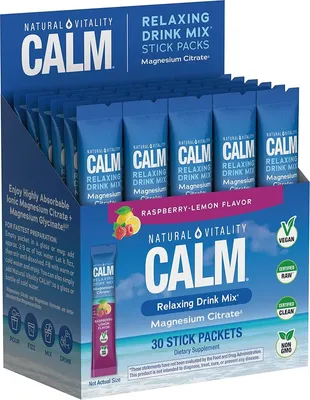
5. Natural Vitality CALM — Best Drink Format
CALM is a magnesium citrate powder that dissolves in warm water to create a fizzy, slightly tart drink. For people who dread swallowing large capsules — or who want a calming bedtime ritual — it’s an appealing alternative. The ability to adjust your dose by the quarter-teaspoon makes it easy to find your sweet spot.
The drawback is the citrate form. It’s moderately well-absorbed (better than oxide, less than glycinate), but citrate has a laxative effect that limits how much you can comfortably take. For sleep, 200–300mg is usually the sweet spot — enough to provide calming benefits without digestive disruption.
How to use it for sleep: Dissolve 1–2 teaspoons in 8 oz of warm water. Sip it 30–60 minutes before bed. Start with half a teaspoon for the first few days to test your digestive response.
Who it’s best for: Seniors who have difficulty swallowing pills or who enjoy a warm beverage before bed. Also good for people who want precise dose control. Less ideal for anyone with sensitive digestion.
How to Get the Most From Magnesium for Sleep
Dosing
The National Institutes of Health recommends 320mg/day for women and 420mg/day for men over 51 (from all sources combined). For sleep specifically, 200–400mg of supplemental elemental magnesium taken in the evening is the dose supported by most clinical research.
Start at 200mg for the first week. If you tolerate it well and want more benefit, increase to 300–400mg. Taking more than 400mg from supplements may cause digestive issues, even with well-absorbed forms.
Timing
Take magnesium 1–2 hours before bed. This gives it time to be absorbed and begin activating GABA receptors and relaxing muscles before you lie down. Taking it with a small amount of food improves absorption and reduces any chance of stomach discomfort.
Duration
Magnesium is not an instant sleep fix. While some people notice muscle relaxation benefits within days, the full sleep benefits typically develop over 4–8 weeks of consistent daily use. The 2012 study in elderly subjects measured outcomes at 8 weeks — give it at least that long before deciding if it’s working.
Combining With Other Sleep Supplements
Magnesium pairs well with other natural sleep aids:
- Magnesium + melatonin is a popular combination that works through complementary mechanisms. Magnesium relaxes the body; melatonin signals the brain. Take them together 30–60 minutes before bed.
- Magnesium + glycine provides dual pathways to relaxation — GABA activation from magnesium plus core body temperature reduction from glycine.
- For a comprehensive overview, see our guide to the best natural sleep aids for seniors.
Drug Interactions and Safety
Magnesium is safe for most older adults at recommended doses, but there are important interactions to know about.
Antibiotics: Magnesium can bind to fluoroquinolone antibiotics (ciprofloxacin, levofloxacin) and tetracycline antibiotics, reducing their absorption. Separate magnesium and antibiotic doses by at least 2 hours.
Bisphosphonates: If you take alendronate (Fosamax) or risedronate (Actonel) for osteoporosis, separate from magnesium by at least 2 hours. Magnesium reduces their absorption.
Blood pressure medications: Magnesium can lower blood pressure. If you take antihypertensive drugs, adding magnesium may cause blood pressure to drop too low. Monitor your blood pressure when starting and tell your doctor. For more on magnesium’s cardiovascular benefits, see our guide to magnesium for heart health.
Diuretics: Loop diuretics (furosemide) and thiazide diuretics increase magnesium excretion, which is why many people on these drugs are deficient. Your doctor may actually recommend magnesium supplementation in this case — ask.
Kidney disease: Your kidneys control magnesium excretion. If your kidney function is reduced, magnesium can accumulate to dangerous levels. Do not take magnesium supplements with kidney disease unless your doctor specifically approves it.
Digestive tolerance: Even well-absorbed forms can cause loose stools if you take too much too quickly. Start low, increase gradually, and you’ll find your comfortable dose.
Frequently Asked Questions
Which type of magnesium is best for sleep? Magnesium glycinate (bisglycinate) and magnesium threonate are the best forms for sleep. Glycinate is chelated — bonded to the amino acid glycine — which gives it high absorption and almost no digestive side effects. Glycine itself has calming properties that support sleep. Threonate is the only form shown to meaningfully cross the blood-brain barrier, making it ideal if you want cognitive benefits alongside sleep support. Magnesium citrate can also help sleep but is more likely to cause loose stools. Avoid magnesium oxide for sleep — it has only 4% absorption.
How much magnesium should a senior take for sleep? Most older adults benefit from 200–400mg of elemental magnesium taken 1–2 hours before bed. Start with 200mg for the first week to assess tolerance, then increase to 300–400mg if needed. The National Institutes of Health sets the Tolerable Upper Intake Level at 350mg from supplements (food sources don’t count toward this limit). If you take a chelated form like glycinate, you may tolerate up to 400mg without issues, but always start low.
Can you take magnesium with melatonin? Yes, magnesium and melatonin work through different mechanisms and can complement each other well. Magnesium promotes relaxation through GABA receptor activation and muscle relaxation, while melatonin signals your brain that it’s time to sleep. A 2012 study in older adults found that magnesium supplementation actually increased natural melatonin levels, so the two may be synergistic. Take them together 30–60 minutes before bed.
Is magnesium glycinate or threonate better for sleep? They both help with sleep but through somewhat different pathways. Magnesium glycinate is the better choice if your sleep issues involve muscle tension, restless legs, or physical difficulty relaxing. Magnesium threonate is the better choice if you also want cognitive support — improved memory, reduced brain fog — alongside better sleep. Glycinate has more clinical data on sleep specifically, while threonate has more data on brain function. If budget allows, some people use glycinate at bedtime and threonate in the morning.
How long does it take for magnesium to improve sleep? Most people notice some improvement within 1–2 weeks of consistent daily use, but the full benefits of magnesium supplementation for sleep typically develop over 4–8 weeks. A study in the Journal of Research in Medical Sciences found significant improvements in sleep quality metrics after 8 weeks of magnesium supplementation in elderly subjects. Don’t give up after a few days — magnesium works by gradually correcting a deficiency, not by sedating you.
The Bottom Line
Magnesium is one of the most underrated sleep supplements for older adults. Unlike sedatives or even melatonin, it addresses multiple root causes of poor sleep — high cortisol, low GABA activity, muscle tension, and declining melatonin production. Given that the majority of adults over 60 are likely deficient, supplementation makes sense for most people in this age group.
Thorne Magnesium Bisglycinate is our top choice for its proven absorption, minimal side effects, and NSF-certified quality. If budget is a concern, Nature Made Magnesium Glycinate delivers the same form at a lower price with USP verification. And if cognitive health is a priority alongside sleep, Life Extension Neuro-Mag is worth the investment.
Start at 200mg, take it 1–2 hours before bed, and give it a full 4–8 weeks. The change is gradual, but the research — and our testing — shows it’s real.
Always consult your doctor before starting any new supplement, especially if you take prescription medications or have kidney disease.
For related reading, see our guide on Magnesium Glycinate vs Citrate vs Oxide for a detailed comparison of magnesium forms.
All Products We Reviewed
- NSF Certified for Sport — rigorous third-party purity testing
- Chelated bisglycinate form for superior absorption
- Glycine bond provides additional calming and sleep-supporting benefits
- Very gentle on the stomach — minimal digestive side effects
- 200mg per serving, easy to dose precisely
- Premium price compared to other magnesium products
- Only 200mg per serving — may need two servings for full sleep dose
- Capsules are somewhat large
- Only magnesium form shown to effectively cross the blood-brain barrier
- Supports both sleep and cognitive function (memory, focus)
- Patented Magtein formula backed by MIT research
- Third-party tested for purity
- Three capsules per serving — higher pill burden
- Lower elemental magnesium per serving (144mg) compared to glycinate products
- More expensive per mg of elemental magnesium

- USP Verified — independent purity and potency confirmation
- Affordable — roughly half the price of premium brands
- Same chelated glycinate form as Thorne
- Available at most pharmacies and grocery stores
- Capsules contain more fillers than Thorne's formula
- 200mg per serving — may need two servings
- Less extensive testing documentation than NSF-certified brands

- Chelated magnesium lysinate/glycinate blend for strong absorption
- 200mg per tablet — easy to adjust dose
- Vegan, non-GMO, gluten-free
- Very affordable — one of the lowest cost-per-serving options
- No USP or NSF certification (uses other third-party testing)
- Tablets rather than capsules — may be harder to swallow for some
- Some users report mild digestive effects at higher doses
- Drink format — dissolves in warm water for a relaxing bedtime ritual
- Easy to adjust dose by using more or less powder
- Multiple flavors available (raspberry lemon, orange, unflavored)
- Magnesium citrate is moderately well-absorbed
- Citrate form is more likely to cause loose stools than glycinate
- Contains added sugar or stevia depending on flavor
- No USP or NSF certification
- Citrate is less absorbed than glycinate/threonate forms
Frequently Asked Questions
Which type of magnesium is best for sleep?
Magnesium glycinate (bisglycinate) and magnesium threonate are the best forms for sleep. Glycinate is chelated — bonded to the amino acid glycine — which gives it high absorption and almost no digestive side effects. Glycine itself has calming properties that support sleep. Threonate is the only form shown to meaningfully cross the blood-brain barrier, making it ideal if you want cognitive benefits alongside sleep support. Magnesium citrate can also help sleep but is more likely to cause loose stools. Avoid magnesium oxide for sleep — it has only 4% absorption.
How much magnesium should a senior take for sleep?
Most older adults benefit from 200–400mg of elemental magnesium taken 1–2 hours before bed. Start with 200mg for the first week to assess tolerance, then increase to 300–400mg if needed. The National Institutes of Health sets the Tolerable Upper Intake Level at 350mg from supplements (food sources don't count toward this limit). If you take a chelated form like glycinate, you may tolerate up to 400mg without issues, but always start low.
Can you take magnesium with melatonin?
Yes, magnesium and melatonin work through different mechanisms and can complement each other well. Magnesium promotes relaxation through GABA receptor activation and muscle relaxation, while melatonin signals your brain that it's time to sleep. A 2012 study in older adults found that magnesium supplementation actually increased natural melatonin levels, so the two may be synergistic. Take them together 30–60 minutes before bed.
Is magnesium glycinate or threonate better for sleep?
They both help with sleep but through somewhat different pathways. Magnesium glycinate is the better choice if your sleep issues involve muscle tension, restless legs, or physical difficulty relaxing. Magnesium threonate is the better choice if you also want cognitive support — improved memory, reduced brain fog — alongside better sleep. Glycinate has more clinical data on sleep specifically, while threonate has more data on brain function. If budget allows, some people use glycinate at bedtime and threonate in the morning.
How long does it take for magnesium to improve sleep?
Most people notice some improvement within 1–2 weeks of consistent daily use, but the full benefits of magnesium supplementation for sleep typically develop over 4–8 weeks. A study in the Journal of Research in Medical Sciences found significant improvements in sleep quality metrics after 8 weeks of magnesium supplementation in elderly subjects. Don't give up after a few days — magnesium works by gradually correcting a deficiency, not by sedating you.