
NMN vs NR: Which NAD+ Precursor Is Better for Anti-Aging?
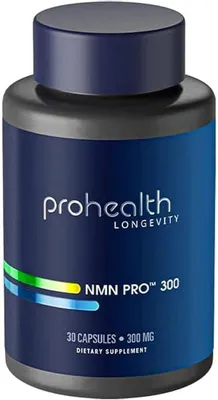
ProHealth Longevity NMN Pro 300
Best NMN option — delivers the most clinically studied branded NMN ingredient in an absorption-optimized capsule.
- 300mg Uthever-branded NMN per capsule — the same form used in clinical research
- Acid-resistant capsules designed for better absorption
- Third-party tested for purity and potency with published COAs
For most adults over 50 choosing between NMN and NR, nicotinamide riboside (NR) is the more practical choice today. It has a longer track record of published human trials, FDA GRAS status, and no regulatory gray areas. NMN has a theoretical advantage in the NAD+ biosynthesis pathway and promising recent human data, but fewer clinical studies, higher cost, and lingering questions about its U.S. supplement status. Both effectively raise NAD+ levels — the molecule your cells need for energy production, DNA repair, and sirtuin activation. The real question is which one fits your priorities: cutting-edge potential or established evidence.
We reviewed the published human clinical trials for both compounds, consulted current regulatory guidance, and evaluated three widely available products to give you a clear, evidence-based comparison.
What Is NMN?
Nicotinamide mononucleotide (NMN) is a naturally occurring molecule that your body uses to make NAD+ — nicotinamide adenine dinucleotide. NAD+ is a coenzyme present in every cell, essential for converting food to energy, repairing damaged DNA, and activating sirtuins, a family of proteins that regulate cellular maintenance and aging.
Your body makes NMN from B vitamins (specifically nicotinamide, a form of vitamin B3) as an intermediate step on the way to producing NAD+. Small amounts of NMN are found in foods like broccoli, avocado, cabbage, and edamame — though the quantities are far too low to meaningfully impact NAD+ levels.
How NMN Works
NMN sits one step away from NAD+ in the biosynthesis pathway. Here is the simplified chain:
Nicotinamide (B3) → NMN → NAD+
Because NMN requires only one enzymatic step to become NAD+, proponents argue it may be a more direct and efficient precursor than NR, which requires two steps. NMN is converted to NAD+ by the enzyme NMNAT, which is present throughout the body.
There has been scientific debate about whether NMN can enter cells directly or must first be converted to NR outside the cell. A 2019 study in Nature Metabolism identified a dedicated NMN transporter (Slc12a8) in the gut, suggesting at least some NMN enters cells intact. However, this research was conducted in mice, and the relevance to oral human supplementation is still being studied.
The standard supplement dose is 250-500mg per day, taken in the morning with or without food.
What Is NR?
Nicotinamide riboside (NR) is another naturally occurring precursor to NAD+. Like NMN, it is a form of vitamin B3, but it enters the NAD+ pathway at an earlier step.
NR was identified as a unique NAD+ precursor vitamin in 2004 by Dr. Charles Brenner, a biochemist who co-founded ChromaDex — the company that developed and patented the NIAGEN brand of NR used in Tru Niagen and other products. This discovery launched the commercial NR supplement category.
How NR Works
NR enters the NAD+ pathway two steps before the final product:
NR → NMN → NAD+
NR is first phosphorylated by the enzyme NRK (nicotinamide riboside kinase) to become NMN, which is then converted to NAD+ by NMNAT. The two-step process is well-characterized and efficient.
NR enters cells through equilibrative nucleoside transporters — the same channels that transport other nucleosides across cell membranes. This cellular uptake mechanism is well-established in human biology.
The standard supplement dose is 300-1,000mg per day, taken once daily with or without food. Most clinical trials have used 300mg or 1,000mg.
Head-to-Head: The Evidence Compared
NR: The More Established Clinical Record
NR has the larger body of published human data. The key trials include:
Martens et al. (2018) — NAD+ elevation and cardiovascular markers. This randomized, placebo-controlled crossover trial published in Nature Communications gave 1,000mg of NR daily to healthy older adults (55-79 years) for six weeks. NR supplementation raised blood NAD+ metabolites by roughly 60%. The study also found trends toward reduced arterial stiffness and lower systolic blood pressure, though these secondary outcomes did not reach statistical significance in this small sample.
Dellinger et al. (2017) — Safety and pharmacokinetics. The NIAGEN safety study published in Scientific Reports evaluated doses of 100mg, 300mg, and 1,000mg per day in healthy adults over eight weeks. All doses were well tolerated with no serious adverse events. Blood NAD+ metabolites increased in a dose-dependent manner.
Elhassan et al. (2019) — Skeletal muscle NAD+ in older adults. A study in Cell Reports gave 1,000mg of NR daily to older men (70-80 years) for 21 days. NR increased NAD+ levels in skeletal muscle — demonstrating that oral supplementation reaches target tissues, not just blood. The study also observed reduced circulating inflammatory markers.
NMN: Promising but Younger Data
NMN human research is growing rapidly. The key trials include:
Yi et al. (2023) — Insulin sensitivity and muscle function. A randomized, double-blind, placebo-controlled trial published in Science gave 250mg of NMN daily to overweight or obese postmenopausal women for 10 weeks. NMN improved muscle insulin sensitivity by approximately 25% — a meaningful result for metabolic health. This was one of the first well-designed NMN trials in humans and generated significant interest.
Igarashi et al. (2022) — Exercise capacity in older men. A Japanese trial published in npj Aging gave 250mg of NMN daily to healthy older men for 12 weeks. The NMN group showed improved gait speed and grip strength compared to placebo — measures that matter for functional independence in aging adults.
Liao et al. (2021) — Blood NAD+ and safety. A small Chinese trial found that 300mg of NMN daily for 60 days safely elevated blood NAD+ levels in healthy adults aged 40-65, with no adverse events.
What the Evidence Tells Us
Taken together across both compounds:
- Both NMN and NR raise NAD+ levels in humans. This is well-established for both molecules.
- NR has more published human trials — over a dozen — including safety data at doses up to 2,000mg per day. NMN has fewer completed human trials, though the pace of research is accelerating.
- NMN has produced some of the most impressive clinical outcomes — particularly the Yi et al. insulin sensitivity finding — but this is from a smaller number of studies.
- No head-to-head human trial has directly compared NMN and NR. Claims that one is definitively better than the other are not supported by comparative data.
- Long-term safety data (beyond 12 weeks) is limited for both. Neither has been studied in humans for years of continuous use.
The Regulatory Difference
This is where the practical decision often gets made.
NR has clear regulatory standing. ChromaDex’s NIAGEN NR holds FDA GRAS (Generally Recognized as Safe) status, meaning it has passed the FDA’s safety threshold for dietary supplements. NR has been sold as a supplement in the U.S. since 2013 without regulatory challenge.
NMN faces regulatory uncertainty. In October 2022, the FDA took the position that NMN could not be marketed as a dietary supplement because Metro International Biotech (backed by Dr. David Sinclair, the prominent Harvard aging researcher) had filed an investigational new drug (IND) application to study NMN as a pharmaceutical. Under the Federal Food, Drug, and Cosmetic Act, a substance under active drug investigation generally cannot be sold as a supplement if it was not already marketed as one before the IND was filed.
NMN products remain widely available on Amazon and supplement retailer websites. Several manufacturers have challenged the FDA’s position, and the Natural Products Association has lobbied for NMN’s continued supplement status. As of early 2026, the situation remains unresolved — NMN is sold freely but without the regulatory clarity that NR enjoys.
What this means for you: If regulatory standing and long-term availability matter to you, NR is the safer bet. If you are comfortable with the ambiguity and want the compound with the potentially more direct pathway to NAD+, NMN remains available and well-tolerated in published trials.
When to Choose NMN
NMN may be the better choice if:
You want the most direct NAD+ precursor. NMN is one enzymatic step from NAD+, compared to two steps for NR. While the practical significance of this difference in oral supplementation is debated, some researchers believe NMN may be more efficiently converted, particularly in tissues that express the Slc12a8 transporter.
Metabolic health is a priority. The Yi et al. trial showing improved muscle insulin sensitivity in postmenopausal women is the strongest metabolic outcome from any NAD+ precursor trial to date. If you are concerned about insulin resistance or metabolic health as you age, NMN has the more compelling (though limited) data in this area.
You are comfortable with regulatory uncertainty. If the FDA’s position on NMN does not concern you and you purchase from reputable brands using third-party tested, branded ingredients (like Uthever), NMN is a reasonable choice with growing human evidence.
Dose: 250-500mg per day, taken in the morning. Most human trials have used 250-300mg daily.
When to Choose NR
NR may be the better choice if:
You prioritize established evidence and safety data. NR has more published human clinical trials than NMN, including dose-escalation safety studies up to 2,000mg per day. If you want the NAD+ precursor with the deepest evidence base, NR has a clear lead.
Regulatory clarity matters to you. NR’s GRAS status means it has passed FDA safety review and faces no questions about its legal standing as a supplement. You can buy it confidently knowing it will remain available.
You want the most studied product. Tru Niagen specifically — the branded NR product from ChromaDex — has been the subject of more published clinical trials than any other NAD+ supplement. If you want to take the exact molecule studied in the research, Tru Niagen provides that certainty.
Budget is a consideration. NR products tend to be modestly less expensive than comparable NMN products, especially at the value end. Life Extension NAD+ Cell Regenerator delivers 300mg of the same NIAGEN ingredient as Tru Niagen at a lower price.
Dose: 300-1,000mg per day. Most trials have used 300mg (one capsule) as the standard dose, with some using 1,000mg for more aggressive NAD+ elevation.
Safety and Interactions
Both NMN and NR have favorable safety profiles in published trials, but some caution is warranted:
Known side effects for both are mild and uncommon: occasional nausea, flushing, headache, and digestive discomfort. These typically resolve within the first week of use.
Drug interactions are not well-characterized for either compound. Because both influence NAD+ metabolism and cellular energy pathways, consult your doctor if you take medications for diabetes (NAD+ influences insulin sensitivity), blood thinners (some NAD+ pathway intermediates may affect coagulation), or chemotherapy drugs (NAD+ affects DNA repair, which could theoretically interact with DNA-damaging cancer treatments).
Long-term safety beyond 12 weeks is unknown for both compounds. If you choose to take either long-term, periodic check-ins with your doctor are reasonable.
Start with the standard dose. Do not assume more is better. Most positive human trials used modest doses (250-300mg for NMN, 300mg for NR). Higher doses have been tolerated in safety trials, but higher has not been shown to be meaningfully more effective.
Our Product Recommendations
ProHealth Longevity NMN Pro 300 — Best NMN Option
ProHealth uses Uthever-branded NMN — the same pharmaceutical-grade ingredient used in multiple clinical trials. The acid-resistant capsules are designed to protect NMN from stomach acid degradation, potentially improving absorption. Third-party certificates of analysis are available on their website, and the 300mg dose matches what has been studied in human trials.
Who it’s best for: Adults over 50 who want NMN specifically, prefer a clinically studied branded ingredient, and are comfortable with NMN’s regulatory status. Read our full review: ProHealth Longevity NMN Pro 300
Tru Niagen — Best NR Option (Most Studied)
Tru Niagen is the single most clinically studied NAD+ supplement on the market. ChromaDex, the company behind both the NIAGEN ingredient and the Tru Niagen brand, has invested heavily in clinical research — with published trials in Nature Communications, Cell Reports, Scientific Reports, and other peer-reviewed journals. FDA GRAS status and the backing of the research team that discovered NR as an NAD+ precursor give this product the strongest scientific and regulatory pedigree of any NAD+ supplement available.
Who it’s best for: Adults over 50 who want the NAD+ precursor with the most published human evidence and clearest regulatory standing. If you are taking your first NAD+ supplement, this is the safest starting point. Read our full review: Tru Niagen
Life Extension NAD+ Cell Regenerator — Best Value NR
Life Extension’s NAD+ Cell Regenerator delivers 300mg of the same NIAGEN nicotinamide riboside found in Tru Niagen, but at a lower price — roughly $32 compared to $47. Life Extension has been at the forefront of longevity research since the 1980s and offers subscription discounts that bring the cost down further. You are getting the identical active ingredient at a meaningful savings.
Who it’s best for: Budget-conscious adults over 50 who want clinically studied NR at the best price. If you already know NR works for you and want to reduce your monthly supplement spend, this is the practical choice. Read our full review: Life Extension NAD+ Cell Regenerator
Frequently Asked Questions
Is NMN or NR better for raising NAD+ levels? Both NMN and NR effectively raise NAD+ levels in humans. A 2018 study in Nature Communications showed NR supplementation at 1,000mg per day increased blood NAD+ metabolites by roughly 60% in healthy middle-aged and older adults. A 2022 trial by Yi et al. demonstrated that NMN at 300mg per day also elevated NAD+ levels significantly over 60 days. Head-to-head comparison data in humans is limited, so claims that one raises NAD+ faster or higher than the other are not yet well supported.
Why did the FDA restrict NMN as a supplement? In late 2022, the FDA determined that NMN could not be marketed as a dietary supplement because it was being investigated as a new drug by Metro International Biotech. Under U.S. law, a substance under active drug investigation cannot be sold as a supplement if it was not already marketed as one before the investigation began. This created regulatory uncertainty. NMN products remain widely available online, and some manufacturers argue the ruling does not apply to them, but the legal status remains gray compared to NR, which holds GRAS status with no similar restrictions.
Can you take NMN and NR together? There is no clinical trial data on combining NMN and NR, and most longevity researchers consider it unnecessary. Both are precursors to NAD+ — taking both simultaneously would be redundant since they feed into the same pathway. Your cells convert both into NAD+ and there is likely a ceiling effect on how much NAD+ your body can produce from precursor supplementation. Choose one based on your priorities and budget rather than stacking both.
How long does it take for NMN or NR to raise NAD+ levels? Studies show measurable increases in blood NAD+ metabolites within one to two weeks of consistent daily supplementation with either NMN or NR. The 2018 NR trial by Martens et al. detected elevated NAD+ levels after six weeks of daily dosing. The Yi et al. NMN trial measured increases at 30 and 60 days. However, whether higher NAD+ levels translate to noticeable health benefits takes longer to assess — most researchers recommend committing to at least two to three months before evaluating any subjective improvements.
Are NMN and NR safe for people over 60? Both NMN and NR have shown favorable safety profiles in published human trials lasting up to 12 weeks. NR has a longer safety record, with the most data from ChromaDex-sponsored trials using doses of 100 to 2,000mg per day. NMN safety data is growing but less mature. Common side effects for both are mild and include occasional nausea, headache, and flushing. However, long-term safety data beyond six months is limited for both compounds. Consult your doctor before starting either supplement, especially if you take medications for diabetes, blood pressure, or blood clotting.
The Bottom Line
NMN and NR are both legitimate NAD+ precursors with real human evidence behind them. Neither is a miracle anti-aging pill, but both address one of the most fundamental biochemical changes of aging — the decline of NAD+.
For most adults over 50, NR is the more practical starting point. It has more published human trials, clear FDA GRAS status, and products like Tru Niagen that have been studied extensively in clinical settings. If established evidence and regulatory certainty are your priorities, NR wins.
If you are drawn to NMN’s theoretical pathway advantage and its promising (though less extensive) clinical data — particularly the metabolic health findings — ProHealth Longevity NMN Pro 300 is a reputable option using a clinically studied branded ingredient. Just go in with eyes open about the regulatory landscape.
Whichever you choose, commit to at least two to three months of daily use before evaluating results. And consult your doctor before starting, especially if you take prescription medications.
For related reading, see our guides on NMN Supplements Explained: Are They Worth the Hype?, Is NMN Worth the Money?, and Best Anti-Aging Supplements That Actually Work.
All Products We Reviewed
- 300mg Uthever-branded NMN per capsule — the same form used in clinical research
- Acid-resistant capsules designed for better absorption
- Third-party tested for purity and potency with published COAs
- Reasonable price for a branded NMN product
- Regulatory status of NMN as a supplement remains uncertain in the U.S.
- Less published human safety data than NR products
- Premium cost compared to NR alternatives
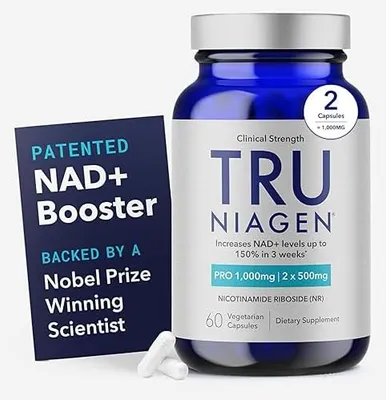
- 300mg patented NIAGEN nicotinamide riboside — the most clinically studied NR ingredient
- FDA GRAS status — the strongest regulatory standing of any NAD+ precursor
- Over a dozen published human clinical trials on this specific ingredient
- Backed by the research team that discovered NR as an NAD+ precursor
- Single ingredient — no cofactors or complementary compounds
- Premium price for one active ingredient
- Capsule only — no powder option for flexible dosing
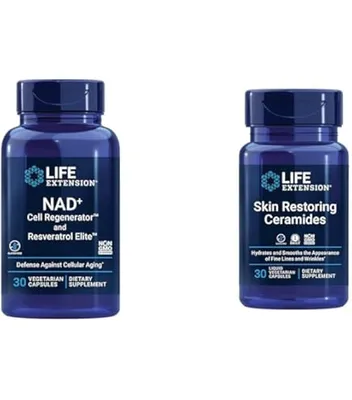
- 300mg NIAGEN nicotinamide riboside — same ingredient as Tru Niagen
- Most affordable branded NR option on this list
- From a company with over 40 years of longevity research focus
- Subscription discounts bring the price down further
- Single-ingredient formula without synergistic cofactors
- Not NSF or USP certified (relies on in-house and supplier testing)
- Some formulations bundle additional ingredients you may not need
Frequently Asked Questions
Is NMN or NR better for raising NAD+ levels?
Both NMN and NR effectively raise NAD+ levels in humans. A 2018 study in Nature Communications showed NR supplementation at 1,000mg per day increased blood NAD+ metabolites by roughly 60% in healthy middle-aged and older adults. A 2022 trial by Yi et al. demonstrated that NMN at 300mg per day also elevated NAD+ levels significantly over 60 days. Head-to-head comparison data in humans is limited, so claims that one raises NAD+ faster or higher than the other are not yet well supported.
Why did the FDA restrict NMN as a supplement?
In late 2022, the FDA determined that NMN could not be marketed as a dietary supplement because it was being investigated as a new drug by Metro International Biotech. Under U.S. law, a substance under active drug investigation cannot be sold as a supplement if it was not already marketed as one before the investigation began. This created regulatory uncertainty. NMN products remain widely available online, and some manufacturers argue the ruling does not apply to them, but the legal status remains gray compared to NR, which holds GRAS status with no similar restrictions.
Can you take NMN and NR together?
There is no clinical trial data on combining NMN and NR, and most longevity researchers consider it unnecessary. Both are precursors to NAD+ — taking both simultaneously would be redundant since they feed into the same pathway. Your cells convert both into NAD+ and there is likely a ceiling effect on how much NAD+ your body can produce from precursor supplementation. Choose one based on your priorities and budget rather than stacking both.
How long does it take for NMN or NR to raise NAD+ levels?
Studies show measurable increases in blood NAD+ metabolites within one to two weeks of consistent daily supplementation with either NMN or NR. The 2018 NR trial by Martens et al. detected elevated NAD+ levels after six weeks of daily dosing. The Yi et al. NMN trial measured increases at 30 and 60 days. However, whether higher NAD+ levels translate to noticeable health benefits takes longer to assess — most researchers recommend committing to at least two to three months before evaluating any subjective improvements.
Are NMN and NR safe for people over 60?
Both NMN and NR have shown favorable safety profiles in published human trials lasting up to 12 weeks. NR has a longer safety record, with the most data from ChromaDex-sponsored trials using doses of 100 to 2,000mg per day. NMN safety data is growing but less mature. Common side effects for both are mild and include occasional nausea, headache, and flushing. However, long-term safety data beyond six months is limited for both compounds. Consult your doctor before starting either supplement, especially if you take medications for diabetes, blood pressure, or blood clotting.