
Why Supplement Quality Varies So Much (And How to Tell the Difference)
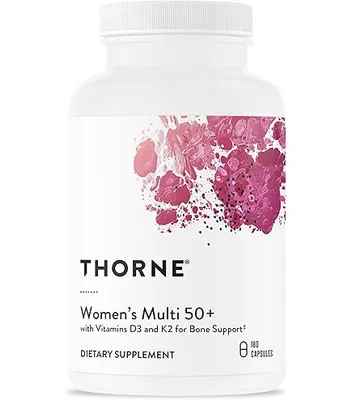
Thorne Basic Nutrients 2/Day
The price premium buys genuinely different ingredients — bioavailable forms that your body can actually use, backed by rigorous testing.
- Methylated B vitamins (methylfolate, methylcobalamin) for better absorption
- Chelated minerals (glycinate, citrate) vs cheap oxide forms
- NSF Certified for Sport facility
Supplement quality varies so dramatically because the industry is regulated as food, not medicine. Manufacturers face no requirement to prove safety, efficacy, or even label accuracy before selling a product. The result is a quality spectrum ranging from pharmaceutical-grade supplements with rigorously tested, highly absorbable ingredients all the way down to products that contain the wrong dose — or none of the stated ingredient at all. The three factors that create the biggest quality differences are ingredient form (how well your body absorbs it), manufacturing standards (contamination and accuracy controls), and third-party verification (independent proof the product matches its label).
The Regulatory Gap That Makes Quality So Uneven
In 1994, Congress passed the Dietary Supplement Health and Education Act (DSHEA), which classified dietary supplements as food rather than drugs. This single legislative decision shaped the entire quality landscape we navigate today.
What this means in practice: prescription drugs must pass years of clinical trials, demonstrate safety and efficacy, and receive FDA approval before reaching a single patient. Supplements? A manufacturer can formulate a product, print a label, and start selling it tomorrow. No pre-market testing is required — not for safety, not for efficacy, not even to confirm the label is accurate.
The FDA can take action against a supplement after it’s on the market if it’s proven unsafe or makes illegal health claims. But with over 80,000 supplement products sold in the United States and limited enforcement resources, most products are never independently verified by any government agency.
This doesn’t mean all supplements are low quality. Many manufacturers voluntarily maintain pharmaceutical-grade standards. But the absence of mandatory pre-market review means quality depends entirely on each company’s choices — their ingredient sourcing, their manufacturing standards, their testing practices, and their willingness to invest in independent verification.
The Quality Spectrum: Pharmaceutical-Grade to No Meaningful Quality Control
Think of supplement quality as a spectrum with three broad tiers.
Tier 1: Pharmaceutical-Grade Manufacturing
Companies at this level manufacture supplements to the same standards used for prescription drugs. They use bioavailable ingredient forms, test every batch in-house, submit products for third-party certification through USP, NSF, or ConsumerLab, publish Certificates of Analysis, and often conduct or fund clinical research on their formulations.
These brands cost more because quality at this level is genuinely expensive. Bioavailable raw materials cost more than commodity forms. Third-party certification programs charge tens of thousands of dollars per product. GMP-compliant facilities require ongoing investment in equipment, training, and auditing.
Tier 2: GMP-Compliant, Reliable Manufacturing
The middle tier includes companies that follow FDA Good Manufacturing Practice regulations, use decent ingredient forms, and generally deliver what their labels claim — but may not pursue third-party certification and may use less bioavailable nutrient forms to keep prices lower.
Many well-known pharmacy brands fall here. Their products are generally reliable, particularly those carrying USP verification. The trade-off is typically in ingredient form: you get the right amount of a nutrient, but in a form your body may absorb less efficiently.
Tier 3: Minimal Quality Control
At the bottom are companies that do the bare minimum — or less. These products may contain significantly more or less of the listed ingredients than the label states, use the cheapest possible raw materials, skip meaningful quality testing, and occasionally contain contaminants or adulterants.
Products at this tier are most commonly found from unknown brands on online marketplaces, deep-discount retailers, and companies making extravagant health claims. The 2015 New York Attorney General investigation found herbal supplements from major retail chains that contained none of the stated plant material — demonstrating that even products on major retailer shelves can fall into this category.
Ingredient Forms: The Same Name, Dramatically Different Results
This is where quality differences become most tangible. Two supplements can list the same ingredient at the same dose on their labels and deliver wildly different results in your body.
Magnesium: The Most Dramatic Example
Your body needs magnesium for over 300 enzymatic reactions. But “magnesium” on a label can mean at least ten different compounds, and absorption varies enormously.
Magnesium oxide is the cheapest and most common form. Research suggests it has roughly 4% bioavailability — meaning if you take a 400mg magnesium oxide supplement, your body may absorb only about 16mg. It’s the go-to form for budget multivitamins because it’s cheap and lets manufacturers list an impressive milligram amount on the label.
Magnesium glycinate (or bisglycinate) is a chelated form bound to the amino acid glycine. Studies indicate absorption rates around 80%. It’s gentler on the stomach and less likely to cause the loose stools associated with magnesium oxide. It also costs significantly more as a raw material.
This single ingredient difference explains a meaningful chunk of the price gap between a $12 multivitamin and a $42 one. Both labels might say “Magnesium — 400mg,” but your body’s experience of those two products is fundamentally different.
Vitamin B12: Active vs. Inactive Forms
Cyanocobalamin is the synthetic form found in most budget supplements. Your liver must convert it to the active form (methylcobalamin) before your body can use it. This conversion works fine in younger adults but becomes less efficient with age. Adults over 50 produce less stomach acid (a condition called atrophic gastritis affects 10-30% of older adults), which impairs B12 absorption from the start.
Methylcobalamin is the active, “ready-to-use” form. It bypasses the conversion step entirely. For adults over 50 with declining conversion efficiency, this isn’t a trivial difference — it’s the difference between the B12 getting where it needs to go and much of it being wasted.
CoQ10: Ubiquinone vs. Ubiquinol
CoQ10 is a critical nutrient for cellular energy production, particularly in the heart. Your body naturally converts ubiquinone (the oxidized form) to ubiquinol (the active, reduced form). But this conversion becomes less efficient after approximately age 40.
Studies show that ubiquinol is absorbed significantly better than ubiquinone in older adults. A 100mg ubiquinol softgel delivers meaningfully more active CoQ10 to your cells than a 100mg ubiquinone capsule, which matters when you’re taking it for cardiovascular support.
Folate: Methylfolate vs. Folic Acid
Folic acid is synthetic and must be converted through several enzymatic steps to become methylfolate, the form your body uses. An estimated 30-40% of the population carries a common genetic variation (MTHFR polymorphism) that reduces the efficiency of this conversion. Methylfolate — sometimes listed as 5-MTHF or L-methylfolate — bypasses this conversion entirely.
Premium multivitamins use methylfolate. Budget multivitamins use folic acid. For the significant portion of the population with MTHFR variations, this is a clinically relevant difference.
Manufacturing Practices: What Happens Inside the Factory
Even with the right ingredients in the right forms, manufacturing quality determines whether the final product is safe, accurately dosed, and effective.
Good Manufacturing Practices (GMP)
The FDA requires all supplement manufacturers to follow GMP regulations covering facility design, equipment maintenance, personnel training, record-keeping, and quality control. These are the legal baseline.
The enforcement problem: the FDA inspects a relatively small fraction of the estimated 5,000+ supplement manufacturing facilities in the U.S. each year. When inspections do happen, violations are common. FDA inspection reports regularly cite issues like failure to verify ingredient identity, inadequate testing for contaminants, and poor documentation of manufacturing processes.
Brands that voluntarily submit to third-party GMP audits — through organizations like NSF or the Natural Products Association (NPA) — are demonstrating accountability beyond the legal minimum.
Certificates of Analysis (COAs)
A Certificate of Analysis is a document showing the results of laboratory testing on a specific batch of a product. It typically lists the tested ingredient amounts, contaminant levels, and whether the batch passed or failed each quality criterion.
Some brands publish COAs on their website or provide them upon request. This is a strong transparency signal. If you contact a supplement company and they can’t or won’t provide a COA for the specific lot number on your bottle, that tells you something about their quality commitment.
Dissolution Testing
A supplement is only as good as its ability to break down and release its contents in your digestive system. Tablets are the primary concern here — a poorly manufactured tablet can pass through your body intact, delivering zero benefit.
USP sets dissolution standards that specify how quickly a supplement should disintegrate in conditions that simulate human stomach acid. Products with USP verification have passed these tests. Products without verification may or may not disintegrate properly — you simply don’t know.
The Online Marketplace Problem
Buying supplements online introduces risks that don’t exist at a brick-and-mortar pharmacy where products come directly from authorized distributors.
Third-Party Sellers and Commingled Inventory
On marketplaces like Amazon, products from different sellers can be stored together in the same warehouse bin — a practice called commingled inventory. If you order from the brand’s official Amazon store but your unit was originally sent to Amazon by a third-party seller, you might receive a product that was stored improperly, is past its expiration date, or is counterfeit.
Amazon has taken steps to address this, including their Brand Registry and Transparency programs. But the risk hasn’t been eliminated. Counterfeit supplements have been documented on major online platforms, including products that looked identical to the genuine article but contained different ingredients.
Temperature and Storage
Many supplements — particularly probiotics, fish oil, and certain vitamins — are sensitive to heat and light. The journey from a third-party seller’s garage to an Amazon warehouse to a delivery truck sitting in summer heat can compromise product quality in ways that aren’t visible from the outside. Authorized retailers and brand websites typically have better controls over storage conditions.
Expired and Relabeled Products
Reports have documented instances of supplements being relabeled with new expiration dates and resold through online marketplaces. Potency degrades over time, particularly for B vitamins, probiotics, and fish oil. An expired supplement may be technically “safe” but deliver significantly less of the active ingredient than a fresh product.
What Matters Most After 50
All of these quality factors matter at any age, but three become particularly important after 50.
Bioavailable ingredient forms. As stomach acid production declines with age (hypochlorhydria), and liver and kidney function gradually decreases, your body’s ability to convert inactive nutrient forms to active ones diminishes. The “ready-to-use” forms — methylcobalamin, methylfolate, ubiquinol, chelated minerals — bypass conversion steps that become bottlenecks with age.
Contamination risk. Decades of daily supplement use mean decades of potential exposure to low-level contaminants. Heavy metals like lead and cadmium accumulate in bone and tissue over time. A supplement with trace contamination that might be inconsequential for a year becomes more concerning over ten or twenty years of daily use. Third-party testing catches contamination that your senses can’t detect. For more on what certifications to look for, see NSF vs USP vs ConsumerLab: Which Supplement Certification Matters?
Drug interactions with unknown ingredients. Adults over 65 take an average of four or more prescription medications. A supplement that contains an unlisted ingredient — whether from contamination, adulteration, or sloppy manufacturing — creates an unpredictable interaction risk. Third-party tested products reduce this risk significantly. Always share your complete supplement list with your doctor and pharmacist, and read our guide on Supplement-Medication Interactions for the most common ones to watch for.
How to Tell the Difference: A Practical Checklist
You don’t need a pharmacy degree to evaluate supplement quality. These steps take about five minutes per product.
Check the ingredient forms. Flip the bottle and read the Supplement Facts panel. Look at the specific compound listed for each ingredient — not just “Magnesium” but what kind of magnesium. For a complete guide to reading this panel, see How to Read a Supplement Label.
Better forms to look for: magnesium glycinate or citrate (not oxide), methylcobalamin (not cyanocobalamin), methylfolate (not folic acid), ubiquinol (not ubiquinone for CoQ10 if you’re over 40), cholecalciferol/D3 (not D2).
Look for a third-party certification seal. USP Verified, NSF Certified, or ConsumerLab Approved. Then verify it independently using the testing organization’s database. For more on what each seal means, see What Does ‘Third-Party Tested’ Actually Mean for Supplements?
Check for full ingredient disclosure. Every ingredient should have its individual amount listed. If you see “Proprietary Blend 500mg” grouping multiple ingredients with only a combined total, that’s a transparency red flag. Quality brands disclose exact amounts because they have nothing to hide.
Look up the brand. Does the company have a real website with contact information? Do they publish Certificates of Analysis? Do they name their testing laboratories? Do they have a track record of independent testing? A five-minute web search can separate serious manufacturers from label-and-sell operations.
Buy from authorized sources. Purchase directly from the brand’s website, an authorized retailer listed on their site, or a pharmacy. This reduces the risk of counterfeit, expired, or improperly stored products.
The Bottom Line
Supplement quality varies so much because no one is required to ensure it doesn’t. The FDA’s food-grade regulatory framework, limited enforcement resources, and the sheer number of products on the market create an environment where quality depends entirely on each manufacturer’s voluntary commitment to doing things right.
The good news: you can navigate this landscape with a few straightforward habits. Check ingredient forms for bioavailability. Look for third-party certification seals and verify them independently. Read the full Supplement Facts panel. Buy from authorized sources. These steps won’t make you a chemist, but they’ll consistently steer you toward the better end of the quality spectrum.
The difference between a well-made supplement and a poorly made one isn’t just about money — it’s about whether the product you’re swallowing every morning is actually doing what you’re paying it to do. A few minutes of label reading and verification is a small investment in making sure it is.
For help evaluating what you need in the first place, see our guide on The Essential Vitamins for Adults Over 50. And as always, discuss any new supplement with your doctor or pharmacist before starting — particularly if you take prescription medications.
Products We Recommend
- Methylated B vitamins (methylfolate, methylcobalamin) for better absorption
- Chelated minerals (glycinate, citrate) vs cheap oxide forms
- NSF Certified for Sport facility
- 4 capsules per day
- $42/month vs $12 for a basic multi
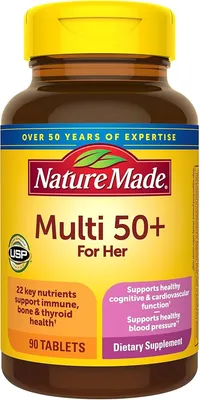
- USP Verified — verified to contain what the label says
- Affordable at $12/month
- Widely available
- Magnesium oxide (4% absorption vs 80% for glycinate)
- Cyanocobalamin B12 (requires liver conversion vs ready-to-use methylcobalamin)
- Basic formulation
Frequently Asked Questions
Are expensive supplements actually better than cheap ones?
Sometimes, but not always. Price differences often reflect genuine quality differences — bioavailable ingredient forms cost more to source, third-party testing is expensive, and GMP-compliant manufacturing adds overhead. A $42 multivitamin using methylated B vitamins, chelated minerals, and NSF certification justifiably costs more than a $12 multivitamin using cheaper oxide and cyanocobalamin forms. However, some expensive supplements are simply overpriced commodity ingredients with premium branding. Look at the ingredient forms, third-party certifications, and transparency — not just the price tag.
What is bioavailability and why does it matter for supplements?
Bioavailability refers to how much of an ingested nutrient your body can actually absorb and use. Two supplements can contain the same milligram amount of an ingredient but deliver vastly different amounts to your bloodstream. For example, magnesium glycinate has roughly 80% absorption while magnesium oxide has roughly 4%. Ubiquinol (the active form of CoQ10) absorbs significantly better than ubiquinone in adults over 40. After 50, declining stomach acid and digestive efficiency make bioavailability even more important — you want nutrients in forms your body can readily use.
Is it safe to buy supplements on Amazon?
It depends on the seller. Buying directly from the brand's official Amazon store is generally safe. The risk comes from third-party sellers on the Amazon marketplace, where products can be stored in commingled inventory — meaning your order might ship from a different seller's stock than the one you chose. This creates opportunities for expired, counterfeit, or improperly stored products to reach consumers. For high-value or sensitive supplements, buying directly from the brand's website or an authorized retailer reduces this risk.
What does GMP mean for supplements?
GMP stands for Good Manufacturing Practices — a set of FDA regulations that all supplement manufacturers are legally required to follow. GMP covers facility cleanliness, equipment maintenance, quality control procedures, record-keeping, and employee training. The challenge is enforcement: the FDA inspects a relatively small percentage of supplement manufacturing facilities each year. Brands that voluntarily submit to third-party GMP audits through organizations like NSF or NPA are demonstrating a higher commitment to quality than the legal minimum requires.
Why do different forms of the same vitamin work differently?
Your body needs nutrients in specific chemical forms to use them. Some supplement forms are already in the 'ready-to-use' form, while others require your body to convert them first. For example, methylcobalamin is the active form of B12 that your nervous system uses directly — cyanocobalamin requires your liver to convert it. This conversion process becomes less efficient with age, meaning the 'ready-to-use' forms become more valuable after 50. The same principle applies to folate (methylfolate vs folic acid), CoQ10 (ubiquinol vs ubiquinone), and many minerals (chelated forms vs oxides).