
What Does 'Third-Party Tested' Actually Mean for Supplements?
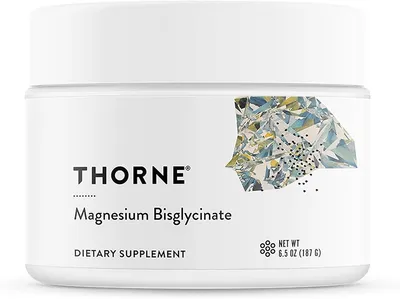
Thorne Magnesium Bisglycinate
Gold standard for quality assurance — Thorne's testing program is among the most rigorous in the industry.
- NSF Certified for Sport — tested for 200+ banned substances and contaminants
- Every batch tested for identity, potency, and purity
- Certificate of Analysis available for every product
“Third-party tested” means an independent laboratory — not the supplement company itself — has verified that a product contains what its label claims, in the correct amounts, without harmful contaminants like heavy metals or pesticides. The major testing organizations are USP (United States Pharmacopeia), NSF International, and ConsumerLab. This distinction matters enormously because the FDA does not approve or test supplements before they reach store shelves, leaving third-party certification as the strongest quality assurance available to you as a consumer.
The FDA Doesn’t Approve Supplements — Most People Don’t Know This
Here’s a fact that surprises almost everyone: the FDA does not approve dietary supplements before they go on sale. Unlike prescription drugs, which must pass years of clinical trials and FDA review, supplements can be manufactured and sold with no pre-market testing for safety, efficacy, or even basic label accuracy.
This has been the law since 1994, when Congress passed the Dietary Supplement Health and Education Act (DSHEA). Under DSHEA, supplements are regulated as food, not drugs. The FDA can only step in after a product reaches the market — and only if it’s shown to be unsafe or makes illegal health claims.
What does this mean practically? It means the label on your supplement bottle is essentially an honor system. The manufacturer decides what goes in the product, tests it (or doesn’t), prints the label, and sells it. Nobody independently checks their work unless they voluntarily invite a third-party testing organization to do so.
That’s what makes third-party testing so important. It’s the closest thing to an independent quality check that exists in this industry.
What Third-Party Testing Actually Checks
When a reputable third-party lab tests a supplement, they typically evaluate four things.
Identity. Is the supplement actually what the label says it is? This sounds basic, but it’s failed spectacularly. In 2015, the New York Attorney General’s office tested herbal supplements from GNC, Target, Walgreens, and Walmart. DNA barcoding found that four out of five products contained none of the plant material listed on the label. Some pills labeled as ginkgo biloba contained nothing but powdered rice and houseplants.
Potency. Does the supplement contain the amount of each ingredient stated on the label? A 2017 study published in the Journal of Clinical Sleep Medicine tested 31 melatonin supplements and found the actual melatonin content ranged from 83% less to 478% more than what the labels claimed. One product contained no melatonin at all. Another contained nearly five times the stated dose.
Purity. Is the product free from harmful contaminants? Common contaminants include heavy metals (lead, mercury, arsenic, cadmium), pesticides, microbes, and undeclared allergens. The Clean Label Project’s 2018 protein powder study found detectable levels of lead in 75% of products tested and BPA in 55%.
Dissolution. Does the supplement actually break down in your digestive system? A tablet that passes through your body intact provides zero benefit regardless of what’s inside it. USP testing includes dissolution studies to confirm the product releases its contents properly.
The Major Testing Organizations
Three organizations carry the most weight in supplement testing. Each works differently.
USP (United States Pharmacopeia)
USP has been setting quality standards for medicines since 1820 — decades before the FDA existed. Their Dietary Supplement Verification Program is the most comprehensive third-party certification in the U.S.
A USP Verified product has been tested for identity, potency, purity, and dissolution. USP also audits the manufacturing facility and conducts ongoing surveillance testing. The round USP Verified Mark on a bottle means the product has passed all of these checks.
You can verify any product’s USP status for free at verified.usp.org. If a bottle shows the mark but the product isn’t in the database, the company may be using the seal fraudulently.
Nature Made is the largest brand with widespread USP verification across its product line.
NSF International
NSF has been a public health standards organization since 1944. Their two relevant certification programs are “NSF Contents Certified” (verifies label claims) and “NSF Certified for Sport” (tests for 200+ banned substances in addition to label verification).
NSF Certified for Sport was originally designed for athletes, but the testing is equally valuable for anyone who wants assurance that their supplement is free from contaminants. NSF also audits manufacturing facilities and conducts ongoing monitoring.
Thorne is the most prominent brand using NSF Certified for Sport across its product line. They also publish Certificates of Analysis for individual product batches.
ConsumerLab
ConsumerLab operates differently from USP and NSF. Founded in 1999, ConsumerLab independently purchases supplements off store shelves and tests them without the manufacturer’s involvement. Products that pass receive the “CL Approved Quality” seal.
The key difference: ConsumerLab tests the product but does not audit manufacturing facilities. This means a ConsumerLab-approved product has been verified at the point of purchase, but ConsumerLab hasn’t inspected how or where it was made. Their results are published in detailed reports available to subscribers.
Life Extension is one prominent brand with multiple ConsumerLab-approved products.
”Tested” vs. “Certified” — The Difference Matters
Supplement companies love putting the word “tested” on their labels. But there’s a critical distinction between different levels of testing claims.
Self-tested. The company tested its own product in its own lab or hired a lab but won’t name it. This is the weakest claim. It’s like a student grading their own homework.
Third-party tested. An independent, named lab tested the product. Better, but the scope of testing varies. Were they checking only one ingredient? All ingredients? Contaminants? The phrase alone doesn’t tell you.
Third-party certified. An established organization like USP or NSF tested the product, audited the manufacturing facility, and conducts ongoing surveillance. This is the gold standard.
When you see a vague “tested in a third-party lab” claim on a bottle without naming the lab or displaying a recognized seal, treat it with skepticism. Any company that passes USP, NSF, or ConsumerLab testing prominently displays that seal — because they paid significant money to earn it.
Why This Matters More After 50
Third-party testing is valuable for anyone taking supplements. But for adults over 50, the stakes are meaningfully higher.
Your body clears contaminants less efficiently. Kidney function declines naturally with age. The National Institute on Aging notes that by age 70, your kidneys filter blood roughly 30% less efficiently than at age 30. Heavy metals and other contaminants that a younger body might process and excrete can accumulate in someone with reduced kidney function.
Drug interactions multiply. The average adult over 65 takes four or more prescription medications, according to CDC data. Unlisted ingredients, contaminants, or inaccurate doses can interact unpredictably with blood thinners, blood pressure medications, diabetes drugs, and thyroid hormones. A supplement that contains twice the labeled dose of a herb that affects blood clotting isn’t just inaccurate — it’s dangerous. If you take prescription medications, always share your full supplement list with your doctor and pharmacist.
Accumulated exposure adds up. If you’ve been taking a supplement with trace lead contamination for five years, those small daily doses have been accumulating in your bones and tissues. Quality testing catches contamination before it becomes a long-term exposure problem.
How to Check If a Brand Is Actually Certified
Don’t just look at the bottle. Verify independently.
For USP: Visit verified.usp.org and search by brand or product name. Every genuinely USP Verified product appears in this free database.
For NSF: Search the NSF International product listings by brand, product name, or certification type.
For ConsumerLab: A subscription ($49/year) gives access to their full testing database at consumerlab.com. They also publish free summary results for some categories.
If a brand claims certification but doesn’t appear in these databases, that’s a red flag. Some companies have been caught using certification logos they haven’t earned.
Real-World Quality Failures
These aren’t hypothetical risks. Supplement quality failures have been documented repeatedly.
The 2015 New York Attorney General investigation found that herbal supplements from major retailers — products sitting on pharmacy shelves that millions of people trusted — contained none of the herbs on the label. GNC’s ginkgo biloba pills contained rice, garlic, and spruce. Walmart’s ginseng capsules contained powdered radish and wheat.
A 2019 study in JAMA Network Open tested 30 popular brain health supplements and found that two contained ingredients not listed on the label, including unapproved pharmaceutical compounds.
The melatonin dosage study mentioned earlier — where actual content varied from 83% below to 478% above the labeled dose — is particularly concerning for seniors who may be sensitive to dosing differences when taking multiple medications.
These findings aren’t meant to scare you away from supplements entirely. They’re meant to underscore why the testing seal on the bottle is more than a marketing badge — it’s a meaningful quality signal.
The Bottom Line
Third-party testing is the single most important quality indicator when choosing a supplement. Because the FDA does not test or approve supplements before they’re sold, independent verification from USP, NSF, or ConsumerLab is the best assurance you have that a product contains what it claims — and nothing it shouldn’t.
Look for a recognized certification seal, verify it independently using the organization’s database, and be skeptical of vague “tested” claims that don’t name a specific testing body. This one habit will steer you away from the worst products on the market and toward brands that take quality seriously.
For a deeper comparison of the major certification programs, see our guide on NSF vs USP vs ConsumerLab: Which Supplement Certification Matters?. And for more on decoding what’s actually on a supplement bottle, read How to Read a Supplement Label (Complete Guide).
If you take prescription medications, always discuss your supplements with your doctor or pharmacist — even products with third-party certification can interact with certain drugs. Our guide on Supplement-Medication Interactions covers the most common ones to watch for.
Products We Recommend
- NSF Certified for Sport — tested for 200+ banned substances and contaminants
- Every batch tested for identity, potency, and purity
- Certificate of Analysis available for every product
- Premium price — roughly 2x commodity brands
- Not USP Verified (uses NSF and in-house testing instead)
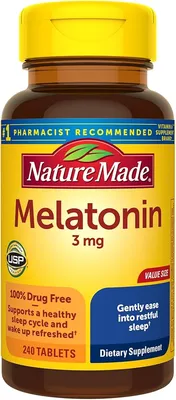
- USP Verified — the most recognized third-party seal in the U.S.
- Widely available at every pharmacy
- Very affordable
- Basic formulations — fewer specialized products than premium brands
- Some products use less bioavailable nutrient forms
Frequently Asked Questions
Does the FDA approve supplements before they are sold?
No. Under the Dietary Supplement Health and Education Act of 1994 (DSHEA), supplements are regulated as food, not drugs. Manufacturers do not need to prove safety or efficacy before selling a supplement. The FDA can only take action after a product is on the market and shown to be unsafe. This means the burden of quality falls entirely on the manufacturer — or on third-party testing organizations that voluntarily verify products.
What is the difference between third-party tested and third-party certified?
Third-party tested means an independent lab analyzed the product for specific criteria like identity, potency, and contaminants. Third-party certified goes further — it typically means the testing organization also audited the manufacturing facility, reviewed quality control processes, and conducts ongoing surveillance testing. USP Verified and NSF Certified both include facility audits. ConsumerLab tests products but does not audit manufacturing facilities.
How do I check if a supplement is actually USP Verified?
Visit the USP Verified website at verified.usp.org and use their free product search tool. You can search by product name, brand, or category. Every product that has passed USP verification appears in this database. If a supplement displays the USP Verified Mark but doesn't appear in the database, that's a serious red flag — some companies have used the seal fraudulently.
Why don't all supplement brands get third-party certified?
Cost and time. USP verification can cost a brand tens of thousands of dollars per product, plus the expense of maintaining manufacturing standards that pass facility audits. Smaller brands and newer companies often can't afford it. Some high-quality brands like Thorne use NSF Certified for Sport and their own rigorous in-house testing with published Certificates of Analysis, rather than pursuing USP specifically. The absence of a seal doesn't automatically mean poor quality — but its presence is a strong positive signal.
Is third-party testing more important for seniors?
Yes. Adults over 50 face higher stakes from supplement quality problems for three reasons. First, age-related changes in kidney and liver function make it harder to clear contaminants like heavy metals. Second, the average adult over 65 takes multiple prescription medications, and unlisted ingredients or contaminants can cause unexpected drug interactions. Third, decades of accumulated exposure to low-level contaminants adds up. Third-party testing provides a meaningful safety layer that becomes more valuable as you age.